Nissan gives retired Leaf batteries a second life — powering an EV component plant
A new solar + storage system at Nissan’s Dandenong casting plant shows how second-life EV batteries can deliver real operational value — not just pilots.
When electric vehicle batteries reach the end of their useful life on the road, they don’t necessarily have to go straight to shredding and refining. In many cases, their remaining capacity can be redeployed into stationary applications — smoothing solar output, reducing peak demand, and providing resilient backup power.
Nissan Australia has put that idea into practice with a new initiative called Nissan Node, using retired first-generation Nissan Leaf batteries to help power part of its manufacturing footprint in Dandenong, Victoria.
What Nissan built at Dandenong
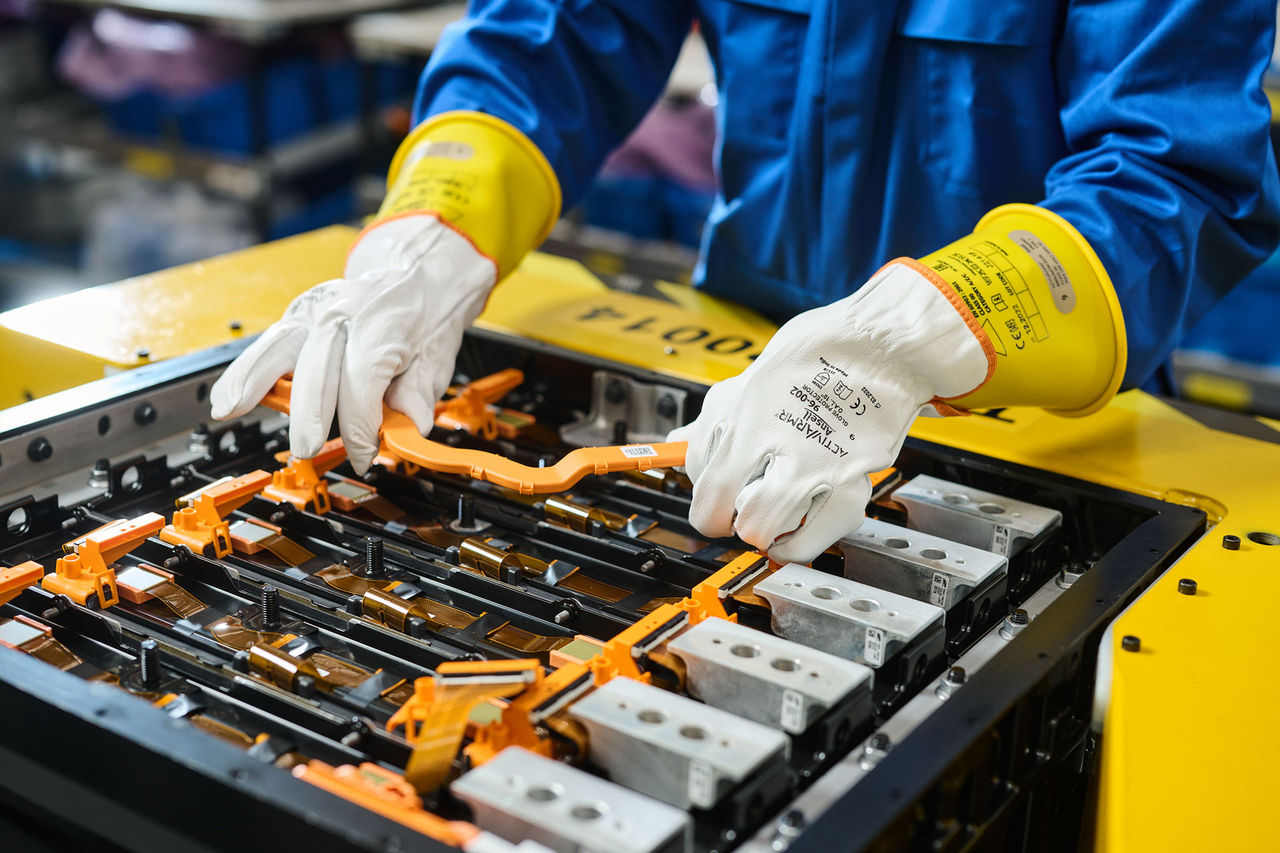
The project combines a new solar array with a battery energy storage system built from nine repurposed Leaf batteries installed at the Nissan Casting Australia Plant (NCAP). The stored renewable energy is used to support manufacturing operations and to supply newly installed EV chargers for staff.
- Batteries reused: nine first-generation Nissan Leaf packs (second-life deployment)
- Site: Nissan Casting Australia Plant (NCAP), Dandenong
- Use cases: on-site operations + EV charging for employees
Measured impact: energy and emissions
Nissan estimates the system will reduce NCAP’s annual CO2 emissions by 259 tonnes and save 128 megawatt-hours of energy each year. For an industrial site, those are the kinds of numbers that make circular economy projects operationally relevant — not just “nice-to-have” sustainability marketing.
“This isn’t just a hugely exciting project, but an important step into the future for end-of-life EV batteries.”
Why this matters: proving second-life at a real site
Second-life batteries have long been discussed as a bridge between automotive use and final materials recovery. The challenge is execution: standardizing testing, ensuring safe reconfiguration, managing performance variability, and delivering systems that pencil out economically.
Nissan Node highlights a practical path forward:
- Use the right application: behind-the-meter energy storage tolerates lower energy density better than a vehicle.
- Pair with solar: storage increases the fraction of renewables that can be used on-site.
- Keep value in the system longer: extracting another service life can improve lifecycle economics before recycling.
The enabling technology partner: Relectrify
The initiative was delivered with Melbourne-based energy storage company Relectrify, which provided the battery management and inverter technology that makes second-life Leaf batteries usable as a stationary asset. The system installed at NCAP is reported as the first commercial product built entirely from retired Leaf batteries.
Source: EVs & Beyond — “Nissan reuses old Leaf batteries to power EV component plant”.
Turn circular economy into an operating advantage
Second-life battery deployments only scale when testing, traceability, safety, and unit economics are engineered end-to-end. If you’re evaluating second-life strategy (or the handoff to recycling), we can help you design the data, process, and partner model.