Battery intelligence for EV wholesale confidence.
ARC helps enterprise auction platforms enrich EV and hybrid condition reports, control guaranteed-sale valuation risk, guide inspectors, and give dealer buyers the battery context they need before bidding.
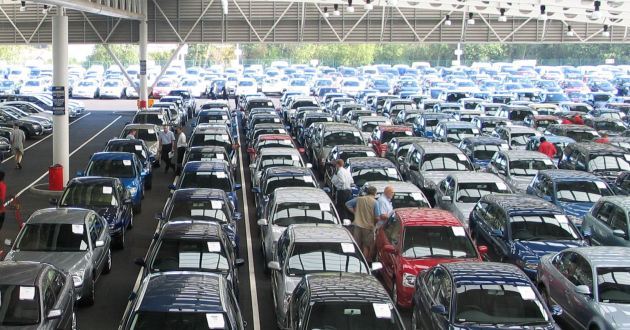
auction workflow
Battery context belongs where the lane, listing, and buyer decision meet.
Dealer buyers know EVs need a different report.
Traditional condition reports describe body, tires, announcements, and mechanical observations. EV and hybrid vehicles also need battery context that can support confidence, arbitration review, and pricing decisions.
Is this actually a hybrid, PHEV, or BEV?
Decode VIN and trim context before bidder confusion becomes a trust problem.
What battery system am I underwriting?
Expose likely pack family, chemistry, replacement risk, and inspection evidence.
Why is the condition report thin?
Prompt inspectors for battery photos, labels, warnings, and EV-specific disclosures.
Can this support a guaranteed sale?
Flag electrification and battery risk before valuation models overcommit.
Three battery options. Three different risk profiles.
A 2018 Hyundai Ioniq can be a hybrid, plug-in hybrid, or battery electric vehicle. That changes replacement exposure, buyer confidence, condition-report language, and whether the lot needs hybrid context, plug-in review, or full EV battery handling.
HEV
1.56 kWh
Ioniq Hybrid
Hybrid battery disclosure without routing the lot through full EV review.
lowest replacement-value class
PHEV
8.9 kWh
Ioniq Plug-in Hybrid
Plug-in battery context, charging-system review, and lithium-ion handling language.
mid-pack replacement-value class
BEV
28 kWh
Ioniq Electric
Full EV battery review for pricing, buyer confidence, transport, and arbitration risk.
highest replacement-value class

example candidate
The PHEV version carries an 8.9 kWh lithium-ion pack, while the same model name can also map to smaller hybrid or larger BEV battery systems.
Battery and Market Signal fields your marketplace can consume through API.
Start by reviewing sample records in ARC Explorer, then pull the same structured fields through API or batch delivery. Market Signal returns aggregate range, median, distribution, confidence, and top takeaways for matched batteries inside the lot record or pricing workflow.
| data field | auction-platform use |
|---|---|
| Market Signal | Observed low, median, high, distribution, confidence, and top takeaways returned as privacy-safe aggregate API fields. |
| Battery replacement value | Estimated pack replacement exposure for pricing, guarantee, and buyer-disclosure review. |
| Recycling value | Material recovery context for damaged packs, salvage routing, and downstream recovery economics. |
| Electrification level | ICE, HEV, PHEV, BEV, and FCEV classification so every lot enters the right workflow. |
| Battery chemistry family | Lithium ion, nickel-metal hydride, lead-acid, and other family-level context where determinable. |
| Cathode chemistry | NMC, LFP, LMO, NCA, and related cathode signals for value, safety, and reuse review. |
| DOT hazard status | Hazardous battery handling context for transport, yard review, and condition-report disclosure. |
| Tesla VIN decode | Tesla-specific VIN, trim, drive, battery, and pack context when standard decode workflows are thin. |
| Many more battery fields | Pack fitment, capacity bands, module context, confidence metadata, inspection prompts, and workflow flags. |
Make the battery signal visible inside the lot record.
Auction buyers see EV risk directly in the lot record through a condition-report module, listing overlay, or internal field map.
auction record
Show the enrichment where buyers already inspect title, damage, announcements, and photos.
internal workflow
Send the same fields downstream to pricing, assurance, arbitration, and data teams.
auction listing preview
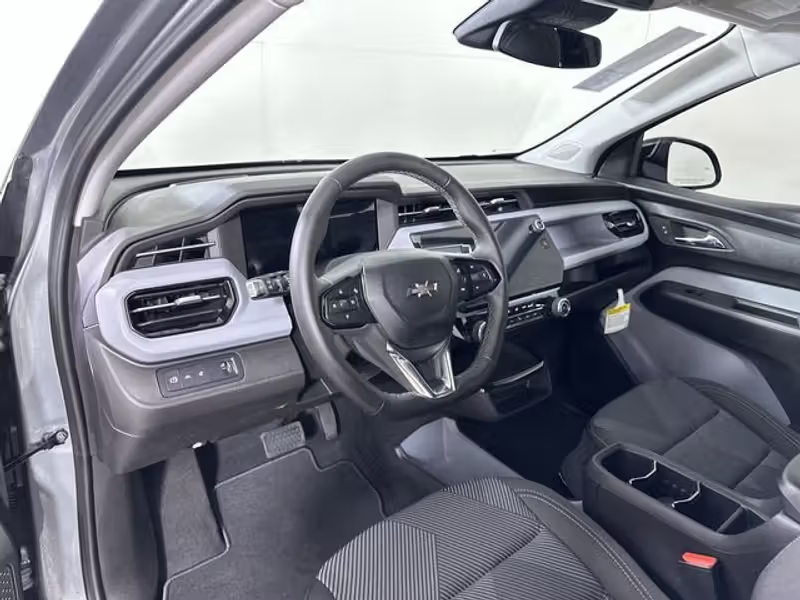
Example buyer-facing lot module using real vehicle images and ARC-enriched battery fields.
example listing
2017 Chevrolet Bolt EV
Insurance auction example / electric hatchback / battery condition requires review
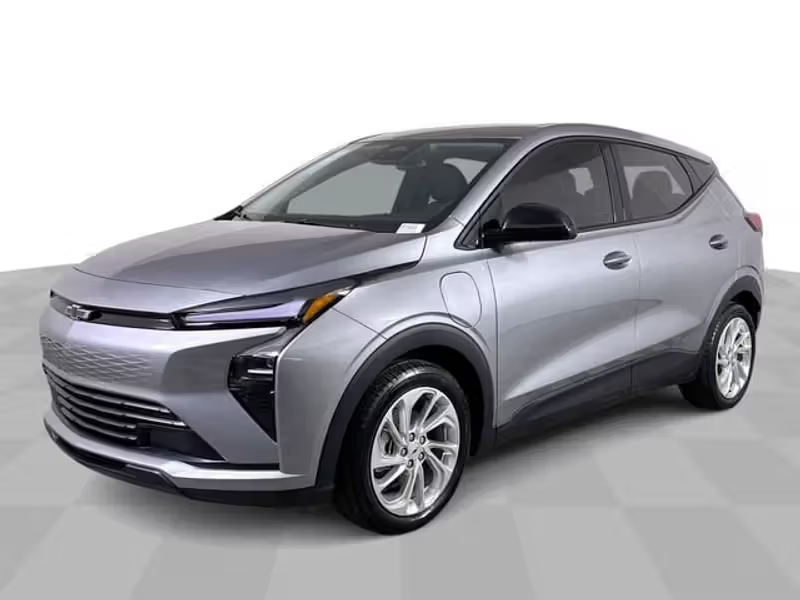
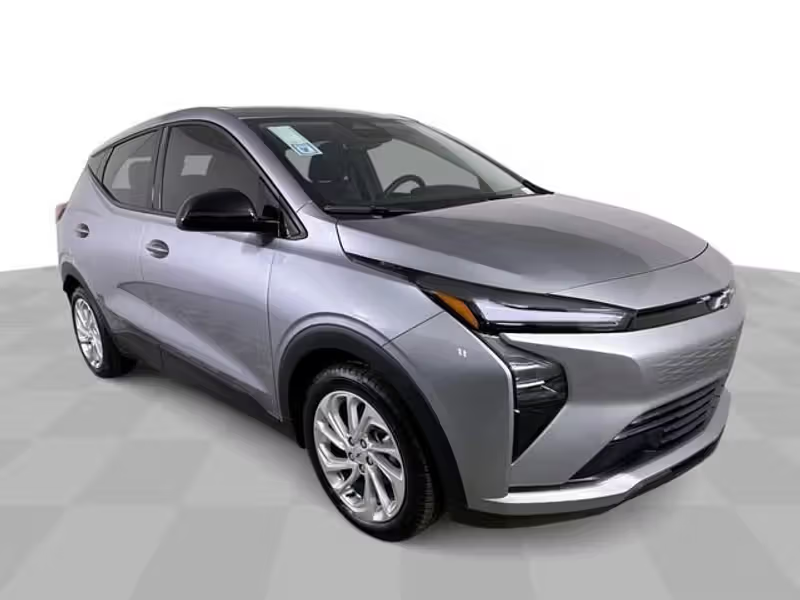
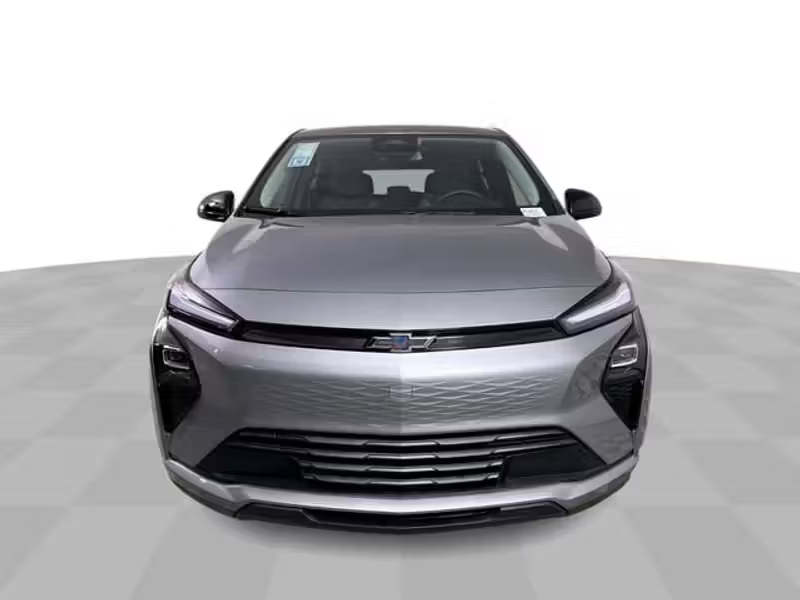
ARC enriched battery fields
battery replacement value
$12,000-$16,000
Estimated pack replacement exposure for buyer and valuation review.
chemistry family
Lithium ion
High-voltage traction battery chemistry family for listing context.
DOT hazard status
Hazardous
Lithium ion traction battery handling context for transport and yard review.
Use Market Signal as structured auction-platform data.
For a matched battery, the API can return observed low, median, high, distribution, confidence, and the top four takeaways for the lot record, pricing tool, or bidder view.
Match the battery. Start with listing evidence tied to the pack.
Read the range. See the low, median, and high asking prices.
Look closer. Inspect the distribution and context behind the number.
Same median. Different spread.
Illustrative data · USD
Market Signal
$6,900
Median
Min $4,800
High $8,400
Hover or tap the card to inspect.
A clearer starting point.
Asking prices cluster around the median. Compare the range, then check the pack's condition and fitment.
Asking prices, not completed sales.
Attach battery facts where buyers and pricing teams already work.
ARC is built for marketplace workflows: enrich the record, explain the risk, prompt the inspector, and send structured fields downstream.
Electrification consistency
Confirm hybrid, PHEV, BEV, chemistry, pack family, and expected battery configuration against the VIN before the listing goes live.
Condition-report enrichment
Add battery context beside trim, odometer, photos, announcements, and mechanical notes so dealer buyers can read EV risk without hunting for it.
Valuation risk controls
Use pack type, likely replacement exposure, vehicle electrification, and battery evidence to pressure-test guaranteed-sale and floor-price decisions.
Inspector prompts
Trigger photo asks, label checks, dashboard-state prompts, and battery-specific note templates for EV and hybrid lanes.
Enterprise outcomes
Guaranteed-sale exposure needs battery context.
EV and hybrid listings can look ordinary until the battery system changes reconditioning exposure, bidder confidence, and downstream arbitration risk.
Dealer confidence improves when the report explains the battery.
ARC turns battery evidence into structured context a buyer, inspector, pricing analyst, and enterprise marketplace system can all use.
Add battery intelligence before the next EV lane scales.
Start with condition-report enrichment, then connect ARC fields to valuation, assurance, buyer display, and batch marketplace workflows.
ARC data outputs
VIN electrification consistency
EV and hybrid battery condition prompts
Valuation and guaranteed-sale risk inputs
Batch/API enrichment for platform teams