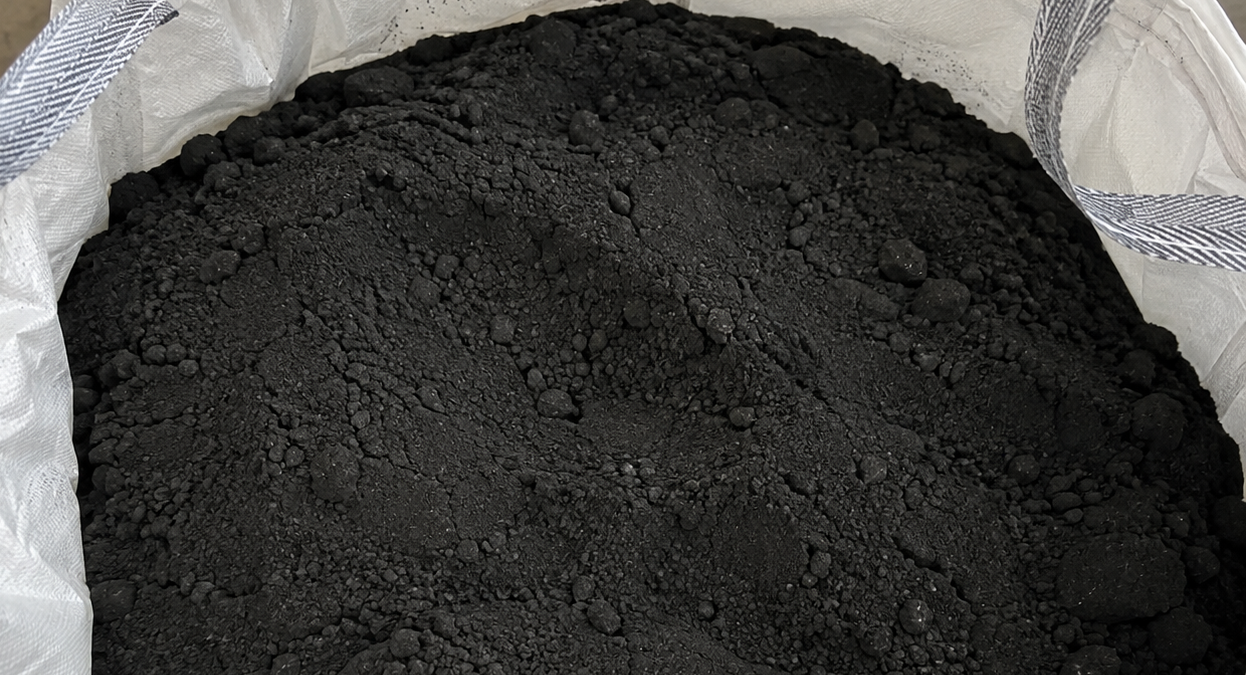
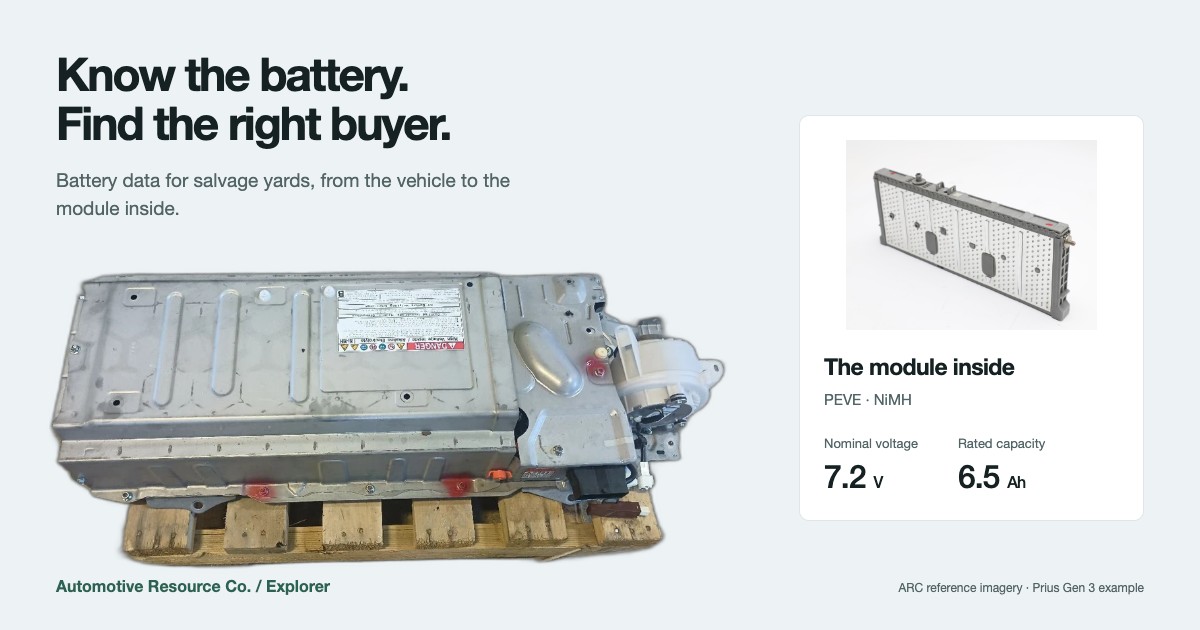
The black mass rule runs through 2027. Aqua Metals is planning for 2028.
Aqua Metals says export waivers have made investors more cautious. Its plans for a Midwest refinery show why the timing matters.

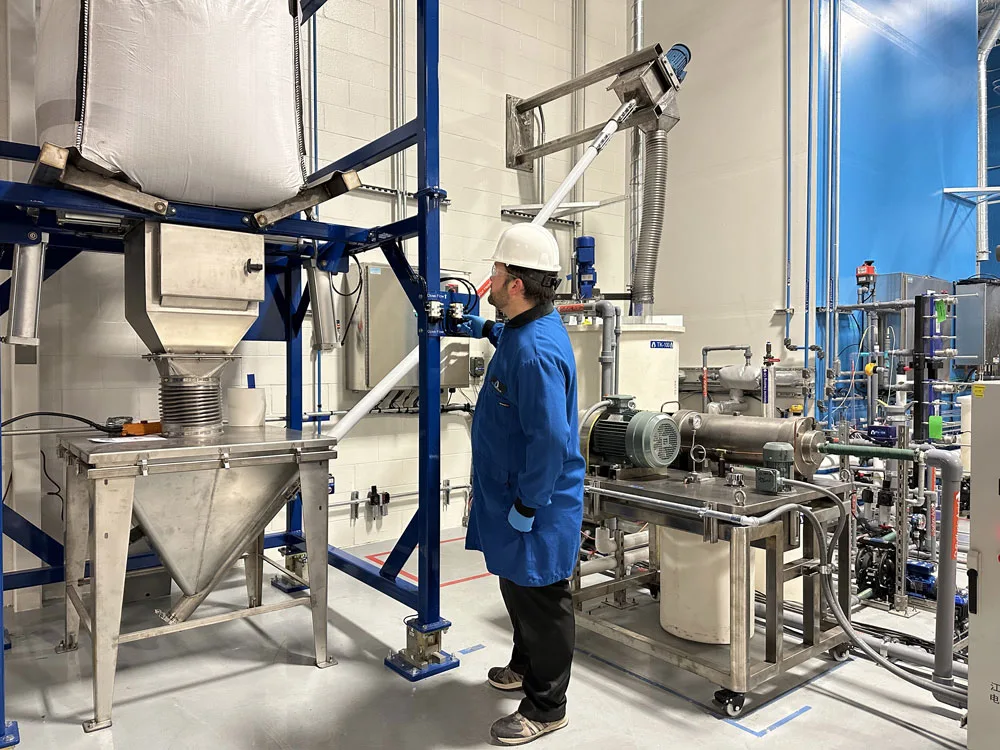
Aqua Metals is winding down its Nevada battery recycling pilot. The company said so on November 16, less than three months after the U.S. restricted exports of black mass, the mineral-rich powder that comes out of shredded lithium-ion batteries.
The timing is what got me. Aqua wants to build a U.S. plant that turns black mass into battery-grade lithium carbonate, and a rule that keeps more of that powder in the country should help a company like that more than almost anyone.
Aqua says the pilot did the job it was built to do and that closing it saves cash, and I take both at face value. What I keep going back to is what CEO Steve Cotton said about raising money for the next plant.
Four days after the restrictions took effect, Cotton was making the case for refining here. “Federal policy is now reinforcing that need,” he said. By November, companies were announcing one-year waivers that let them keep exporting, and Cotton told investors the waivers had left him unsure where policy was headed.
That uncertainty has made investors and financing partners more cautious about committing capital to domestic battery recycling projects, and we have planned around it.
That’s the CEO of a company the rule should help, telling his own investors that the way it has played out made the people he needs money from more cautious.
A one-year rule and a 2028 plant
I understood the argument for what people call the black mass ban. If more black mass stays in the country, a U.S. refiner should have an easier time lining up steady supply, and steady supply is something a lender can put a value on. What I never bought was that a rule written for one year could do that job, because you can’t finance and build a refinery in a year.
Aqua’s own dates make the point. The federal order took effect August 27, 2026, and requires covered sellers to keep their black mass sales domestic unless they get an exception. As written, it runs through August 27, 2027. Aqua’s August plan has its proposed Midwest plant, Project Headwaters, producing its first 250 metric tons of lithium carbonate in 2028.
So a lender going through Aqua’s numbers has to price feedstock for a year the order doesn’t cover. The order could be extended, but a lender can’t count on that today.
Why the waivers happened anyway
I don’t think the waivers were a mistake. Recyclers needed them.
Robin Wiener, president of the Recycled Materials Association (ReMA), warned in August that recyclers already had overseas customers for material U.S. plants couldn’t absorb. American Battery Technology Company (ABTC) later described what that looked like. Its Nevada recycling plant kept running after the rule took effect, but it normally exports almost all of its black mass, so finished material piled up and sales were held up until it received an export license on September 30. For ABTC, a waiver meant it could sell what it had already made.
Electra Battery Materials CEO Trent Mell saw it from the buyer’s side. Electra is studying a U.S. nickel refinery that could eventually take black mass from nickel-rich batteries, and to get that supply it would have to compete with overseas plants that can buy it today. Electra welcomed the rule because more predictable feedstock could help attract private capital. In the same statement, it asked for temporary exemptions while plants get built, along with longer-lasting policy and help paying for construction.
I think both had a fair read. A recycler needs somewhere to send next week’s production, and a lender needs to know what the market looks like several years out. A one-year rule with one-year waivers gets the recycler through the week and gives the lender very little to count on.
Aqua will end up on both sides of that. Headwaters is planned in two phases. The first would process battery scrap, starting with lithium iron phosphate batteries, recover the copper and aluminum, and produce black mass. Only the second phase adds the equipment that turns that powder into lithium carbonate. Until that second line is running, every ton of black mass coming off the first one needs a buyer or a place to sit.
What the pilot proved, and what it didn’t
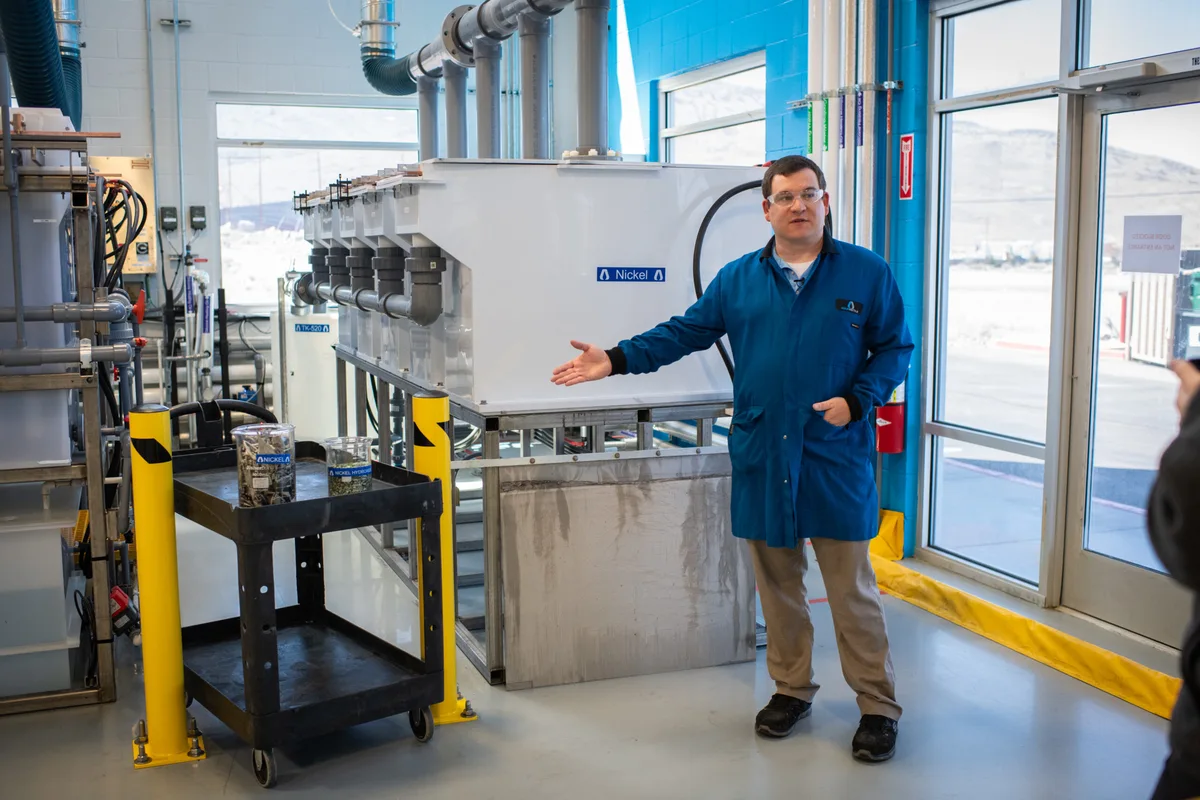
By July, Aqua said the Nevada operation had logged more than 5,000 hours. A U.S. customer bought battery-grade lithium carbonate made there and paid the full benchmark price. I give the pilot real credit for that, because a customer paying full price tells you the product is good enough to sell.
It doesn’t tell you the process makes money. The sale was small enough that Aqua booked the proceeds against operating costs, and what it cost to make each ton is still an open question. A pilot isn’t built to turn a profit, so I don’t hold that against them. But if the plant were paying its own way, you wouldn’t close it to save cash.
And cash is tight. Aqua ended June with $4.74 million in cash and equivalents and ended September with $2.88 million, a 39% drop in one quarter. Management had flagged the need for more capital before the export rule took effect, so I’m not blaming the rule for that. With the validation work done, shutting the pilot is the sensible move, and Aqua is considering moving some of the equipment to Headwaters if the financing comes through.
Where the rule was supposed to help was the next raise, and that’s where Cotton says investors have grown more cautious.
What I’m watching
In August, WMC Group signed a six-year letter of intent covering all of Headwaters’ planned lithium carbonate output, and the two companies aimed to sign a definitive purchase agreement by September 30. In its November 16 update, Aqua still described the deal as nonbinding and said the timing of each phase depends on financing. A signed agreement would give a lender a buyer it can count on, and it’s the first thing I’ll look for in Aqua’s next filing.
Eighty-two days in, this is a bad early sign for anyone who thought the rule would make U.S. refineries easier to finance. It’s one company, and Aqua needed money before the rule existed. But Aqua is exactly the kind of domestic refiner you’d expect to benefit, its pilot sold product at full price, and its CEO is telling us the people who write the checks have grown more cautious. If the measure of success is another American refinery, the date that matters to me is the one when Aqua can afford to build it.