EV battery data platform: A guide for salvage yards
The data a salvage yard needs before bidding on a vehicle, at intake, and when finding a battery buyer.

An EV battery data platform connects vehicles, battery packs, and cells or modules in one place. It helps you identify a pack, understand what a buyer can use, and bring those facts into your buying and sales process. For a salvage yard, that work starts before the vehicle reaches the gate.
When I talk with salvage yard owners, the starting point is the same: their business is vehicles and parts. They need to buy well, process the vehicle, and find the buyer who can pay the most for each part. Batteries are one more thing to figure out among the thousands of parts they already handle.
Is this pack lithium-ion? What might a buyer pay for it? Can a rebuilder use its modules? What does the yard need to know before it arrives?
Put battery facts beside the decision.
Use Explorer for one-off research, then review the Explorer-by-VIN API when the same lookup repeats in an intake, inventory, or auction workflow.
Know the battery before you bid
Battery research belongs in the buying process. Waiting until the vehicle arrives means you have already taken on the cost and the risk.
A yard may base much of its bid on a few key parts. With an EV, the pack needs that same care. Who might buy it? What costs could eat into the return?
Chemistry is one of those inputs. Lithium iron phosphate, or LFP, is a type of lithium-ion battery. It differs from nickel-based types in the materials a battery recycler can recover. The U.S. EPA's battery recycling overview explains these chemistry groups and their materials.
But chemistry does not set a used pack's price by itself. One buyer needs a working pack to fix a car. Another wants to break it down for its raw materials. They are pricing different uses.
Before bidding, ask:
- Which pack is expected in this vehicle?
- What can I confirm from the auction photos and records?
- Which buyer could use the pack or its parts?
- What costs and unknowns should I allow for?
Use ARC's guide to estimating battery scrap value by VIN when the planned buyer is a battery recycler. Keep that estimate separate from a used-part asking price or a firm buyer offer.
Know what is arriving at your yard
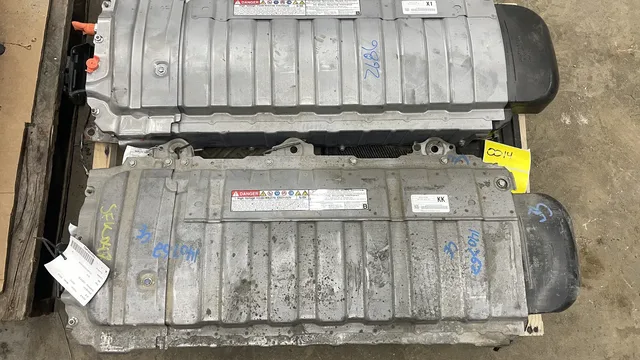
Once the vehicle arrives, the team needs to know what battery it is dealing with and which procedures apply.
One of the first distinctions is lithium-ion versus another battery type, such as nickel-metal hydride, or NiMH. This helps the yard choose the right work and storage plan. The people doing the work need to see it before they move the pack.
Chemistry alone does not tell you where to store a pack or how to ship it. Its state, design, and any damage also matter. So do the rules that apply to your site and load. The EPA notes that design factors beyond chemistry can affect end-of-life hazards. PHMSA's lithium-battery guidance addresses transport risks and the rules shippers need to assess.
Use the data to flag a pack for the correct procedure and review. A database label is not permission to move or ship it. Nor does a non-lithium label make a high-voltage battery harmless.
Know what each buyer needs from your battery
The data you need depends on who you plan to sell to. A rebuilder looking for modules is asking a different question than a battery recycler buying material by weight.
These are the needs I see across the battery trade:
| Buyer or operator | Data they tend to need | Decision it supports |
|---|---|---|
| Salvage yard | Pack identity, photos, chemistry, likely sale paths, and value context | What to bid and how to market the pack |
| Rebuilder | Donor vehicles, module type and count, voltage, dimensions, and teardown images | Which cores to buy and which new products to research |
| Second-life buyer | Pack or module design, power and energy specs, connectors, and test history | Whether the battery is worth assessing for an energy-storage system |
| Battery recycler | Pack weight, cathode chemistry, condition, and preparation details | Whether to accept the load and how to price it |
A battery recycler often starts with weight and cathode chemistry. A rebuilder may care more about the modules inside. A second-life team may need plug photos or pinouts, which show what each pin connects to.
Those are buyer needs. They do not mean every record has every field. Check the packs you handle. Look for clear sources and a way to flag errors as the data changes.
Help buyers and sellers recognize the same battery
I run into this with buyers and sellers: one asks for a battery by one name, and the other says they only have something else. They could have made a sale. They just did not know the pack on the shelf had what the buyer needed.
The yard may name the source vehicle. The rebuilder may name a battery generation or the module it wants. A shared record gives them facts to compare. They can check labels, plugs, shape, size, and the parts inside.
The parts trade already uses tools such as Hollander Interchange to identify interchangeable parts. For battery cores, the buyer also needs to know what can be used from a donor pack.
Two packs do not have to be drop-in replacements to be of interest to the same rebuilder. They may contain the module that buyer needs. The buyer still needs to check the exact part against the planned rebuild.
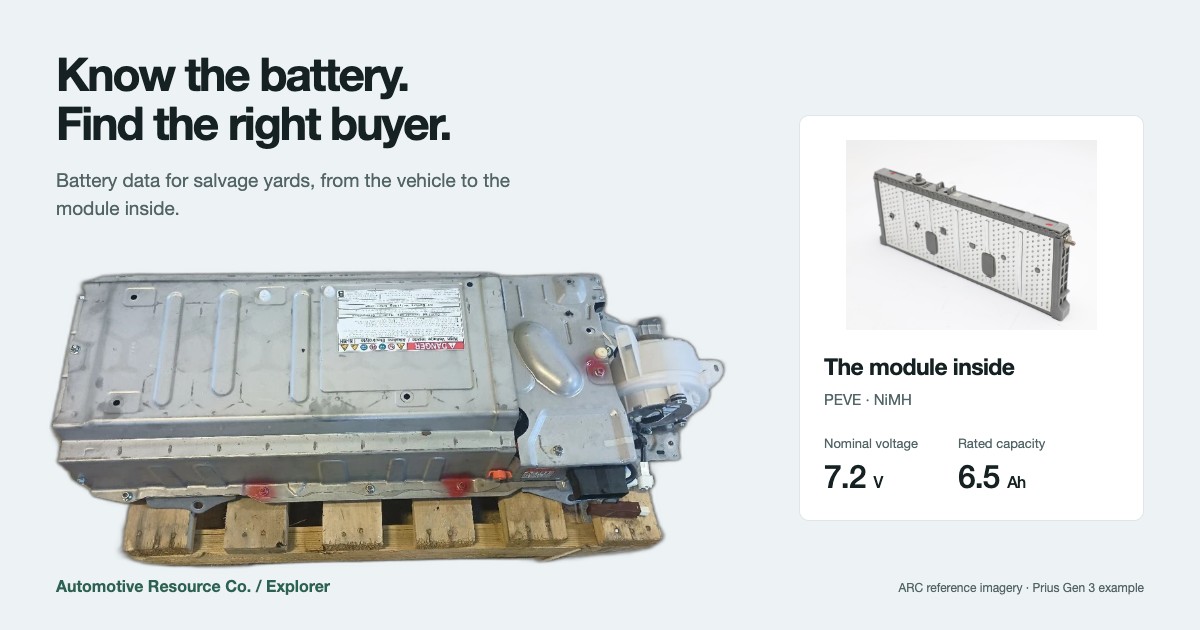
For example, ARC's Toyota Prius Gen 3 record links to Prius, Lexus CT, and Prius V applications. It also links to the PEVE module record used in that pack family. A buyer researching that module can explore donor applications beyond one vehicle name.
One pack. More ways to find a buyer.
Start with the battery. See the module a rebuilder may be looking for.


That link is a research path, not blanket approval to swap whole packs between vehicles. ARC's hybrid battery core-value guide shows the pack and module example and explains why usable parts drive a rebuilder's offer.
Check whether the original battery is still installed
Start with the VIN to find the expected pack. It cannot show you a change made after the car left the factory.
In the field, I see packs changed under warranty, in recalls, or during other repair work. A new part number may point to a revised pack from the carmaker. An aftermarket pack may have different cells or modules inside.
This can change the buyer's interest. In my experience, some aftermarket hybrid packs have few buyers at the original pack's core price. Those units often move toward a scrap sale. Ask the buyer before you price one as an original-equipment core.
“Aftermarket” does not mean every pack has zero value. It means you need to check demand and donor value for that pack.
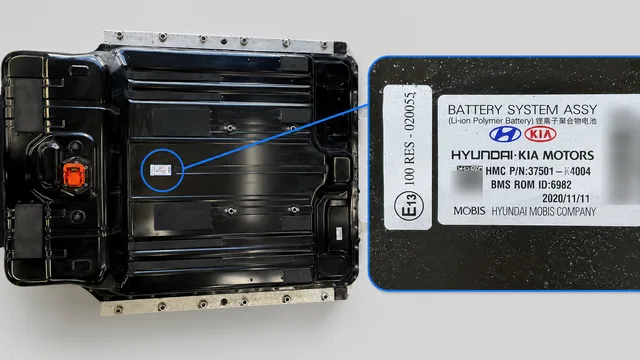
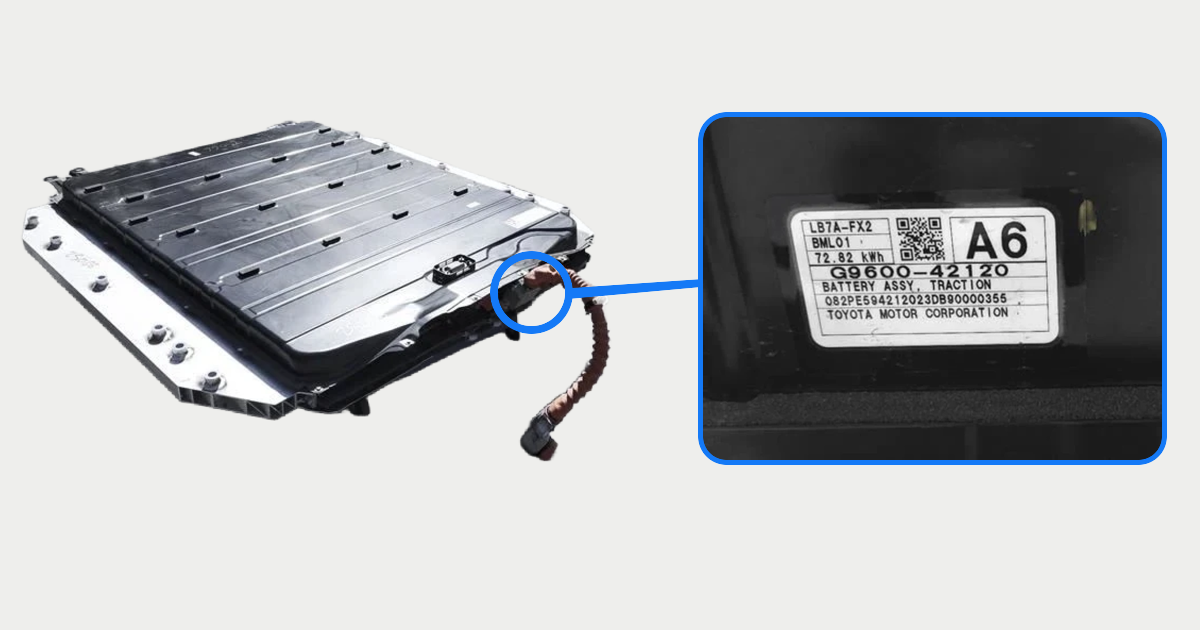
Compare the installed pack's labels, part numbers, case, and connectors with the expected record. Save the evidence when they differ. ARC's VIN and label identification guide covers this process.
Keep battery specs separate from battery health
A reference record describes a battery design. Testing tells you about the unit you have.
The rated voltage, original capacity, module count, and photos can help a buyer choose what to test. They do not prove how much charge the pack can hold now. They do not show how it will work under load.
Second-life buyers I work with may request state-of-health data, then run their own tests. Their test method and intended use matter. UL Solutions describes sorting and grading cells, modules, and packs as part of assessing whether batteries remain viable for further use.
Keep the specs, seller claims, and test results separate. That lets a buyer see what is known and what still needs work.
Put battery data where the decision happens
Use Explorer when a person needs to research a pack, study photos, or follow links between vehicles and modules. An application programming interface, or API, lets your software fetch data. Use it to bring the lookup into the team's normal work.
I think most teams would benefit from seeing the data in the systems they already use. If your buyer makes the decision in an auction tool, put it there. If your sales team works from an inventory record, put it there. A system that people do not use is not helping them.
ARC's Explorer-by-VIN API returns available battery attributes alongside vehicle data. These include chemistry, energy, and pack weight. If a field is blank, your tool needs to show that it is unknown.
For an auction tool, the workflow could be:
- Read the vehicle's VIN from the auction record.
- Fetch the available battery data through the API.
- Apply your buyer's current pricing rules to the relevant inputs.
- Show the estimate, unresolved facts, and expected costs beside the bid.
- Recheck the physical pack when the vehicle arrives.
Bring the battery facts into the bid.
Use the available fields in the tool your buyer already has open.
{
  "cathode_chemistry": "NMC",
  "chemistry_group": "Lithium-Ion",
  "energy_kwh": 8.9,
  "weight_lbs": 258
}
Battery excerpt · 2018 Hyundai Ioniq PHEV
This is one way to build the tool. The lookup returns pack data. Your pricing rules and buyer terms turn it into an estimate. It is not a firm offer to buy.
You can also build this into a custom tool or connect an AI agent to it. Set which fields it can fetch. Make it ask for help when a missing fact could change the bid.
Start with a battery your team needs to sell
An EV battery data platform earns its place when it helps your team act on facts they would otherwise have to find again.
At ARC, I see customers use Explorer for purchase decisions driven by chemistry or by the parts a pack can supply. They need different fields. Both need a record the buyer can read and check.
Start with one vehicle you may buy or one pack in stock. Open Explorer, find the relevant record, and compare it with your evidence. Then ask which facts your buyer still needs.
If that same task repeats across your inventory, talk with ARC about bringing the data into your workflow. Give your team the facts it needs where it makes the decision.
Frequently asked questions
What does an EV battery data platform do?
It connects vehicle, pack, and cell information so teams can identify batteries and use the available facts in buying, inventory, and sales work. The depth of each record varies.
Can a VIN tell me which battery is installed now?
A VIN lookup can identify or narrow the expected pack. Check the physical battery because service work or an aftermarket replacement may have changed it.
Does a shared module mean two battery packs are interchangeable?
No. A shared module can point a rebuilder toward another donor source. Whole-pack replacement also requires confirmation of fit, electrical interfaces, controls, and the vehicle's requirements.
Does battery data tell me what a pack is worth?
It provides inputs for an estimate. The final offer depends on the buyer's use, demand, condition, usable parts, costs, and terms. Reference specs alone do not establish a sale price.
When should I use an API instead of manual research?
Use an API when staff need available battery data inside a tool they already use. Keep Explorer available for the cases that need a person to review photos or investigate a match.
Sources and scope
This guide draws on Tyler Helps' work with salvage yards and battery buyers. Field observations describe that experience, not measured results for every operator. EPA, PHMSA, Hollander, and UL Solutions support the linked technical references. ARC's pack and module records and public API documentation support the specific product examples. The proposed auction integration is an example, not a customer case study.